A repair that keeps returning is rarely bad luck. Owners who stay on top of effective maintenance coordination for smooth operations usually notice the pattern long before it becomes a costly surprise. At PMI Hudson, we've found that a system calling for attention more than once in a year is telling you something worth listening to.
The median owner-occupied home in the U.S. is now 41 years old, according to the U.S. Census Bureau's American Housing Survey, and Hudson Valley's older housing stock reflects that trend clearly. Aging plumbing, roofing, and HVAC systems don't fail all at once. They fail gradually, and repeated repairs are usually the first sign.
Key Takeaways
- Repeated repairs on one system typically signal age, not chance.
- A repair history review helps owners catch failing components early.
- Planning replacements ahead of time protects cash flow.
- Reliable systems reduce tenant complaints and support renewals.
- Coordinated vendor management saves money over a property's lifespan.
One Repair Rarely Travels Alone
A leaking pipe gets patched. Weeks later, a different section starts dripping. Then something else goes wrong near the water heater. Each incident looks separate on paper, but they're often connected underneath.
Plumbing corrodes across an entire network, not in one isolated spot. A roof loses integrity as a whole system, even when damage only shows up in one section. HVAC equipment wears down internally long before a tenant notices weak airflow or an unusual sound.
Systems That Tend to Repeat
Across our portfolio, these systems generate the most repeat service calls:
- Water heaters and supply lines
- HVAC compressors and blower motors
- Roof flashing and shingles
- Exterior siding and trim
- Window seals and frames
Two or more repairs on the same system within a year deserve a closer look before approving another quick fix.
Coordinating Repairs So Nothing Gets Missed
Repeat issues often slip through the cracks when repair requests get handled reactively, one call at a time, without anyone tracking the bigger picture. That's part of why smarter vendor coordination for Hudson Valley landlords makes such a difference. A coordinated approach catches patterns that individual work orders miss entirely.
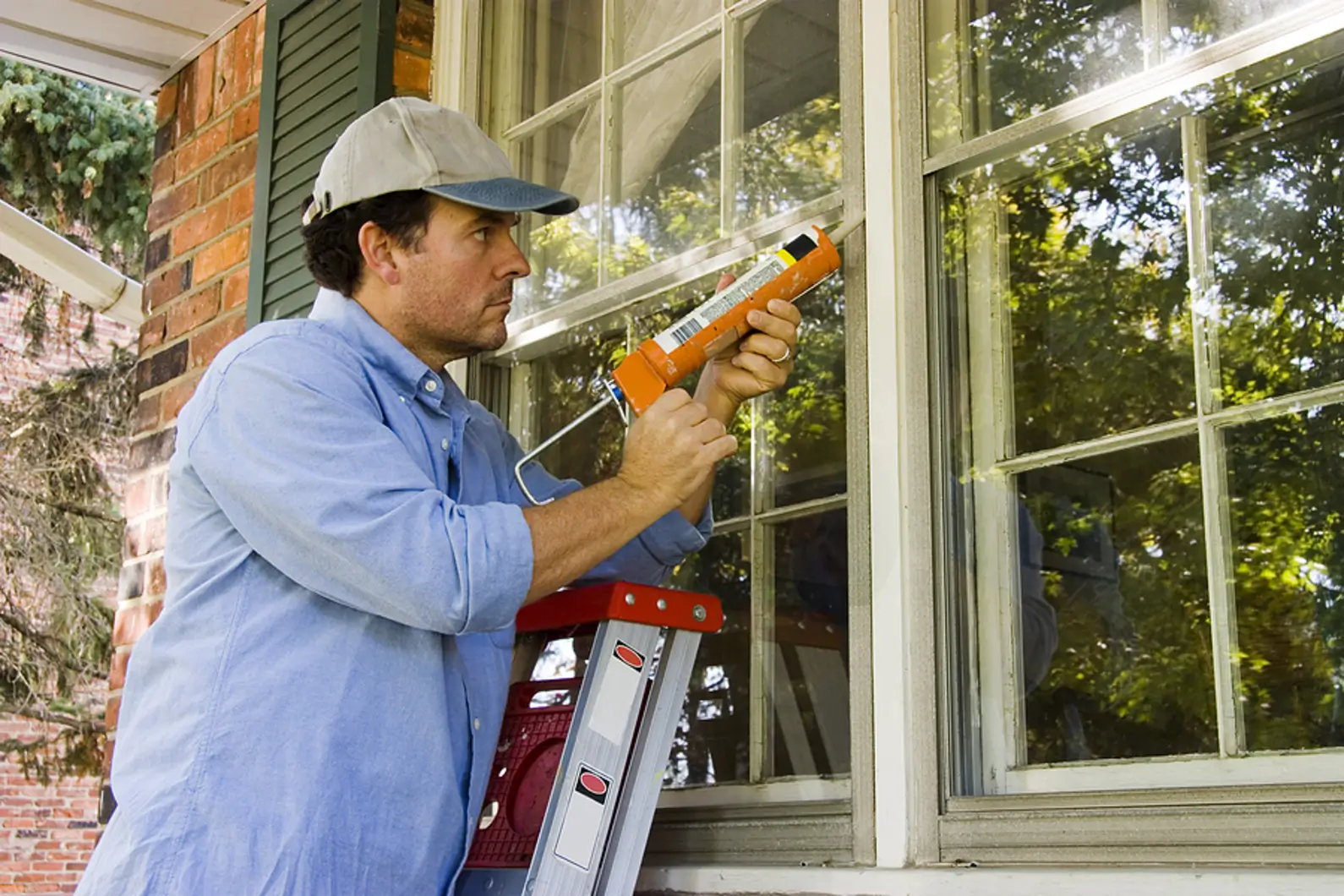
Aging windows show this well. One drafty window might just need a new seal. Three or four windows in the same unit showing the same symptom point to material age across the whole property, not a single bad installation.
Recognizing When Repair Stops Making Sense
Small repairs make financial sense while a system remains structurally sound. Eventually, the accumulated cost of repeat fixes exceeds what a full replacement would cost outright.
Watch for these signals:
- The same system needs service more than twice within a year.
- Each repair costs noticeably more than the one before it.
- Emergency or after-hours calls become routine rather than rare.
- Related damage, like warped flooring or water stains, keeps reappearing.
None of these alone demands an immediate decision. Stacked together, they build a strong case for planning a replacement rather than scheduling another patch job.
Turning a Repair History Into a Planning Tool
A single work order tells you almost nothing. A full year or two of maintenance records tell you plenty. The Joint Center for Housing Studies of Harvard University estimated that homeowners spent roughly $503 billion on remodeling and repairs in 2024, a figure that reflects just how much upkeep the nation's aging housing stock requires.
Reviewing your own records with that in mind can surface patterns such as:
- Plumbing leaks clustering around the same fixtures
- HVAC repairs appearing right before seasonal changes
- Appliances failing on a predictable schedule
- Roof leaks returning after significant storms
Owners who streamline how repairs get tracked in the first place have an easier time spotting these cycles. Learning how to streamline property maintenance at Hudson Valley properties often starts with simply organizing the data that's already sitting in your inbox.
Prioritizing What Gets Fixed First
Few owners can replace every aging system at once, so sequencing matters. A roof that has already leaked twice this year likely outranks a water heater that's simply older but hasn't yet failed.
Weigh these factors against one another:
- Remaining repair costs versus full replacement costs
- How much service life a system likely has left
- The effect on tenant satisfaction and complaint frequency
- Whether timing allows for planned budgeting instead of a rushed decision
This logic applies to association-managed properties too. Getting the most from HOA property maintenance plans often depends on the same kind of prioritization owners use for single-family rentals.
Staying Ahead of the Next Breakdown
Waiting for complete failure almost always costs more than replacing a system on your own schedule. Seasonal HVAC checks, annual roof evaluations, and routine plumbing assessments give owners the chance to catch wear before it turns into a weekend emergency.
This approach also builds trust with residents. Tenants notice when issues get resolved quickly and don't keep resurfacing, and that reliability often shows up later in lease renewal decisions. Clear accounting practices help owners see exactly how maintenance spending affects overall returns, which makes it easier to justify a bigger investment when the numbers support it.
Getting a Clear Picture of Where You Stand
Understanding a property's true condition starts with an honest assessment rather than guesswork. A free rental analysis can help determine whether recurring repairs point to a bigger investment opportunity or a replacement you haven't budgeted for yet.
FAQs about Recurring Repairs in Hudson Valley, NY
Could ignoring a small recurring repair affect my property's resale value down the road?
Yes. Buyers and appraisers often notice patterns of deferred maintenance during inspections. Addressing recurring issues before selling helps preserve value and avoids last-minute negotiations over unresolved system problems.
How do seasonal changes in the Hudson Valley affect which systems need attention first?
Cold winters put extra strain on HVAC systems and plumbing, while spring thaws can expose roofing and drainage issues. Timing inspections around seasonal shifts helps catch problems before they escalate.
If I inherited a property with an unclear repair history, how do I start building one?
Begin with a full inspection to establish a baseline, then log every service call going forward. Within a year, clear patterns usually emerge that guide future repair and replacement decisions.
Does keeping detailed repair records actually save me money over time?
Yes, in most cases. Tracking records helps you plan replacements before emergencies happen, spreads costs out predictably, and gives you leverage when negotiating with vendors on larger jobs.
How involved is PMI Hudson when a bigger repair decision needs to be made?
We present the repair history, cost comparisons, and vendor recommendations clearly, then leave the final call to you. You stay in control of every major decision affecting your property.
Reading the Warning Signs Before They Get Expensive
A property doesn't fail overnight. It sends signals first, and those signals show up in the repair log long before a full breakdown happens. PMI Hudson helps owners across the Hudson Valley interpret those signals and turn them into a clear maintenance plan. Take the guesswork out of your next decision by checking out our maintenance services, and start managing repairs before they start managing you.
